Basic Information
Caveri Marley occupies a small but resonant place in the Marley family story. Her life was brief, yet the public memory around her has remained persistent. She was born around 2007 or 2008, and she died in June 2019 at about eleven years old. Her father was Julian Marley, and her mother was Teana Woolcock. She was the paternal granddaughter of Bob Marley and Lucy Pounder. Her name appears in family remembrances, memorial notes, and tributes shaped by affection rather than spectacle.
| Field | Detail |
|---|---|
| Name | Caveri Marley |
| Born | circa 2007 to 2008 |
| Died | June 2019 |
| Parents | Julian Marley, Teana Woolcock |
| Grandparents | Bob Marley, Lucy Pounder |
| Public role | Child remembered in family tributes |
| Career | None publicly documented |
| Net worth | Not applicable |
A Brief Life in a Large Legacy
Caveri Marley is remembered within a family whose name carries global weight. The Marley legacy is often discussed through music, culture, and generational influence. Yet Caveri’s story sits in a quieter register. It is the story of a child held within a famous lineage, where private grief became partly visible through public remembrance. That contrast gives her memory a particular gravity.
Her life was not defined by performance or career milestones. It was defined by family, by childhood, and by the tenderness that follows loss. In public mentions, she is associated with singing, dancing, and the warmth of intimate family recollection. Those details matter because they resist flattening her into a mere entry in a family tree. They restore texture to a short existence.
Timeline of Key Dates
The chronology of Caveri Marley’s life is spare, but the dates matter. They provide structure to a story that otherwise lives in tribute and recollection. Approximate birth records place her around 2007 or 2008. In 2019, her illness became publicly acknowledged in family remarks. By June 2019, she had died at approximately eleven years of age. Since then, remembrances have continued in annual and seasonal forms.
| Year | Event |
|---|---|
| circa 2007 to 2008 | Approximate birth |
| 2019 | Public acknowledgement of illness |
| June 2019 | Death at about age eleven |
| 2019 onward | Memorial posts and charitable remembrance |
These dates are austere, but they are not empty. They mark a human chronology that family members and supporters continue to revisit.
Family Circle
Caveri’s immediate family places her within one of the most recognized musical dynasties in the world. Julian Marley, her father, is a reggae musician with a public career of his own. Teana Woolcock is identified as her mother in family references. Her paternal grandfather was Bob Marley, a cultural figure whose influence remains far beyond music alone. Lucy Pounder, Julian’s mother, stands within the same lineage as a family anchor. Jacob Marley is also named in family notices as a close relation.
| Name | Relation | Publicly noted context |
|---|---|---|
| Julian Marley | Father | Reggae musician and public mourner |
| Teana Woolcock | Mother | Named in family tributes |
| Bob Marley | Grandfather | Global reggae icon |
| Lucy Pounder | Grandmother | Part of Julian Marley’s family background |
| Jacob Marley | Half sibling | Mentioned in family posts and notices |
This family framework shapes how Caveri is remembered. The Marley name brings attention, but it also brings continuity. Each generation is seen through both intimacy and public curiosity. That dual visibility can make a private loss feel amplified. It also means remembrance often travels farther than it otherwise would.
Illness and Passing
The public description of Caveri Marley’s final illness refers to a rare brain tumour. That phrase appears with the restraint such a subject requires. It is enough to locate the seriousness of the situation without descending into medical spectacle. The important fact is the outcome. In June 2019, the family announced her death, and that moment became a point of collective mourning.
Loss involving a child tends to produce a particular kind of silence. Family members often speak carefully, and communities respond with sympathy that feels both immediate and inadequate. In Caveri’s case, the response included memorial posts, expressions of grief, and charitable gestures. These acts do not alter the past. They do, however, shape the social memory that surrounds it.
Memory and Tribute
Caveri Marley’s public legacy is chiefly memorial. She did not have a professional artistic career, and there is no public record of commercial achievements. Her visibility comes from the people who knew her and the family who continue to honor her. That remembrance appears in birthdays, anniversary posts, and charity references. It also appears in the emotional language used by relatives and supporters.
This kind of legacy is subtle. It is not measured in records sold or accolades earned. It is measured in persistence. When a family keeps speaking a name after loss, that name retains a living contour. Caveri’s memory has been carried in precisely that way. The remembrance is quiet, but it is durable.
| Aspect | Public status |
|---|---|
| Professional career | None publicly documented |
| Public performances | Not known as a public performer |
| Memorial activity | Yes |
| Family tributes | Yes |
| Charity association | Mentioned in remembrance contexts |
The Marley Name and Public Attention
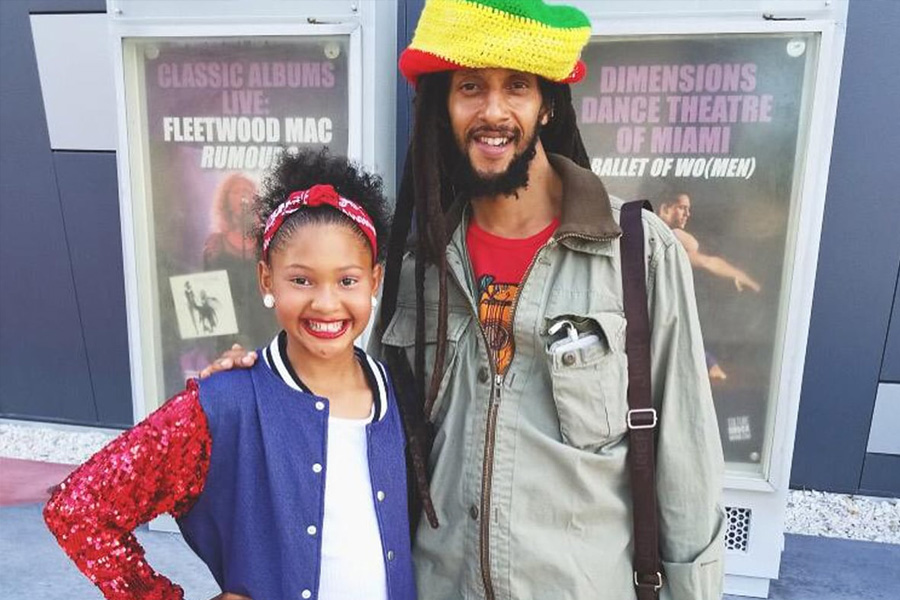
The Marley surname carries cultural density. It evokes music, history, and a large interwoven family. For Caveri, that surname placed her within a public field she did not create herself. Family photos and mentions attracted notice because the Marley name already commands attention. That reality can make grief more visible than most families would experience. It can also create a public archive around someone who otherwise lived privately.
At the same time, the family’s public response kept the focus humane. The language around Caveri has remained centered on affection, memory, and respect. Her story is not one of celebrity ambition. It is one of childhood, kinship, and grief carried in the open. That is why her memory persists. It carries emotional specificity.
Public Details in Brief
The following details are the most commonly repeated points associated with Caveri Marley’s public memory. They help organize the known facts without exaggeration.
| Category | Detail |
|---|---|
| Approximate birth | 2007 to 2008 |
| Death | June 2019 |
| Age at death | About eleven |
| Father | Julian Marley |
| Mother | Teana Woolcock |
| Grandfather | Bob Marley |
| Public role | Child remembered by family |
| Notable remembrance | Tributes and memorial posts |
These particulars are simple, but they matter because they prevent distortion. They keep the narrative grounded in identifiable facts.
Family Remembrance in Practice
Remembrance around Caveri Marley has taken several forms. Family members have shared notes and images that preserve her presence. Public tributes have treated her with tenderness rather than abstraction. Some mentions connect her memory to charitable action and scholarship efforts. Others simply preserve a photograph, a name, or a date. Each form contributes to a larger memorial atmosphere.
This pattern reveals something important about how families sustain memory. They do not always rely on grand gestures. Sometimes the durable act is repetition itself. A birthday post, a caption, a shared photograph, or a commemorative mention can carry substantial emotional force. Caveri’s memory has been maintained through that patient repetition.
Key Takeaways
Caveri Marley was the child of Julian Marley and Teana Woolcock, and the granddaughter of Bob Marley and Lucy Pounder. She was born around 2007 or 2008 and died in June 2019 at about eleven years old. Her public memory centers on family tributes, memorial posts, and gentle remembrances. She had no public professional career, and her significance comes from the affection surrounding her life and loss. The Marley family’s visible mourning has helped preserve her name with dignity and continuity.