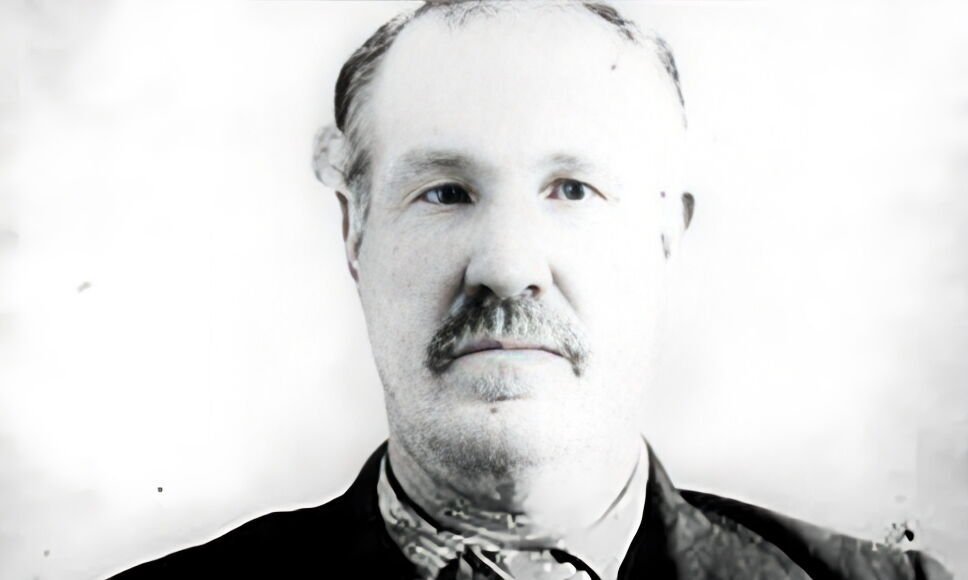
Early Life and Formation
John Wesley Rice Jr. was born on November 3, 1923, in Baton Rouge, Louisiana. His early years unfolded in a segregated American South shaped by stern social boundaries. He later became a Presbyterian minister and an educator with notable breadth. That combination of ministry and scholarship defined his mature life.
His family lineage already carried clerical gravity. His father, John Wesley Rice Sr., preceded him in ministry at Westminster Presbyterian Church. That inheritance mattered, yet it did not confine him. He converted family example into personal vocation.
Rice grew up within a culture that demanded resilience and disciplined aspiration. Such conditions often forged practical intellects and austere habits. His adult career suggests both qualities. He did not seek spectacle. He sought service, instruction, and durable influence.
Education and Ordination
Rice attended Stillman College and Johnson C. Smith University. Those institutions helped form his intellectual and spiritual outlook. In 1948, he graduated from Johnson C. Smith University. That same year, he became an ordained Presbyterian minister.
Ordination gave him a public office and a moral charge. He entered a life of preaching, teaching, and pastoral care. His work was not narrow clerical routine. It extended into classrooms, athletic fields, and administrative offices. That range made him unusually adaptable.
His educational path also revealed a strong commitment to historically Black institutions. Those settings were central to his professional identity. They provided space for leadership during an era when opportunity remained uneven. Rice used those spaces with discipline and dignity.
Ministry in Alabama
From 1951 to 1965, Rice led Westminster Presbyterian Church in Titusville, Alabama. He succeeded his father there, which added a generational continuity to the post. Thirteen years of pastoral leadership required steadiness and trust. It also required a command of local life.
His ministry was not merely sacramental. He was a public presence in the community. Clergy in that period often carried social responsibilities beyond the pulpit. Rice appears to have embraced that wider burden. His authority rested on consistency rather than display.
During the 1950s, he also coached basketball and taught at Fairfield Industrial High School. There he met his first wife, Angelena Ray. This phase of his life shows how education and personal history intertwined. He was not isolated in one institutional sphere. He moved between church, school, and family life with ease.
Academic Leadership
Rice served as Dean of Students at Stillman College from 1965 to 1968. That role demanded administrative judgment and student-facing sensitivity. It placed him in the middle of academic life during a turbulent decade. Colleges then were being pressed by changing expectations and social transformation.
From 1969 to 1985, he joined the University of Denver as a professor and assistant vice chancellor. That appointment marked a significant institutional expansion of his career. It also demonstrated that his skills traveled well beyond the South. He worked inside a major university environment with seriousness and credibility.
His career in higher education was especially notable because it linked instruction to governance. He was not only a classroom figure. He also helped shape administrative structures. That dual capacity is uncommon and valuable. It suggests a mind comfortable with both people and systems.
| Period | Institution | Role |
|---|---|---|
| 1948 | Johnson C. Smith University | Graduate and ordained minister |
| 1951 to 1965 | Westminster Presbyterian Church | Pastor |
| 1950s | Fairfield Industrial High School | Coach and teacher |
| 1965 to 1968 | Stillman College | Dean of Students |
| 1969 to 1985 | University of Denver | Professor and assistant vice chancellor |
Family Life and Household Continuity
Rice married Angelena Ray in 1954. She was a science and music teacher, which suggests a household grounded in pedagogy and culture. Their marriage produced Condoleezza Rice, born in 1954. His role as father became historically significant through her later prominence.
Later in life, he married Clara Bailey around 1989. That second marriage came after a long professional career. It introduced a quieter late chapter. During those years, he tutored local students and mentored Stanford football players. Even in retirement, he remained invested in young people.
The family story is inseparable from his broader legacy. His daughter would move into national and academic leadership. Yet that later prominence did not arise in a vacuum. It emerged from a household where learning, religion, and discipline were habitual. Rice’s domestic life helped shape that foundation.
Condoleezza Rice and Extended Legacy
Condoleezza Rice became one of the most visible American public figures of her generation. She served as National Security Advisor from 2001 to 2005. She then served as U.S. Secretary of State from 2005 to 2009. She also served as Provost of Stanford University from 1993 to 1999.
Since 2020, she has directed Stanford’s Hoover Institution and continued teaching at the Graduate School of Business. Her career spans diplomacy, scholarship, and institutional leadership. That breadth echoes the varied civic life of her father. The resemblance is not accidental.
John Wesley Rice Jr. did not occupy national headlines. His influence operated through formation, mentorship, and institutional labor. Such work often leaves a subtler record. Yet it can be decisive. The careers of his daughter and his students suggest a lasting pedigree of seriousness.
| Person | Lifespan | Principal Roles |
|---|---|---|
| John Wesley Rice Jr. | 1923 to 2000 | Minister, educator, dean, administrator |
| Condoleezza Rice | 1954 to present | National Security Advisor, Secretary of State, academic leader |
Public Reputation and Historical Significance
Rice lived through major transformations in American religious and educational life. He worked across denominational, regional, and institutional boundaries. That mobility mattered during the mid 20th century. It reflected competence in environments that often resisted easy advancement.
His professional identity was anchored in service. He preached, taught, coached, and administered. Those functions may sound ordinary in isolation. Together, they create a portrait of durable civic usefulness. He was the sort of person institutions quietly depend upon.
He also embodied a particular type of Black professional leadership. He combined moral authority with practical pedagogy. That blend was especially consequential in segregated and post segregated America. It helped cultivate students who needed structure, encouragement, and example. His life stands as a record of that labor.
Key Takeaways
John Wesley Rice Jr. was born in 1923 and died in 2000, leaving a substantial record of ministry and education. He graduated from Johnson C. Smith University in 1948 and became an ordained Presbyterian minister that same year. He served Westminster Presbyterian Church in Alabama from 1951 to 1965 and later held senior academic posts at Stillman College and the University of Denver.
His personal life also carried unusual historical weight. He married Angelena Ray in 1954 and later Clara Bailey around 1989. His daughter, Condoleezza Rice, became a major figure in American diplomacy and higher education. His legacy rests not on fame alone, but on formation, stewardship, and the long reach of disciplined mentorship.